
Culture
Staying With Nomadic Families in Bayan-Ölgii: What to Expect
Staying With Nomadic Families in Bayan-Ölgii: What to Expect
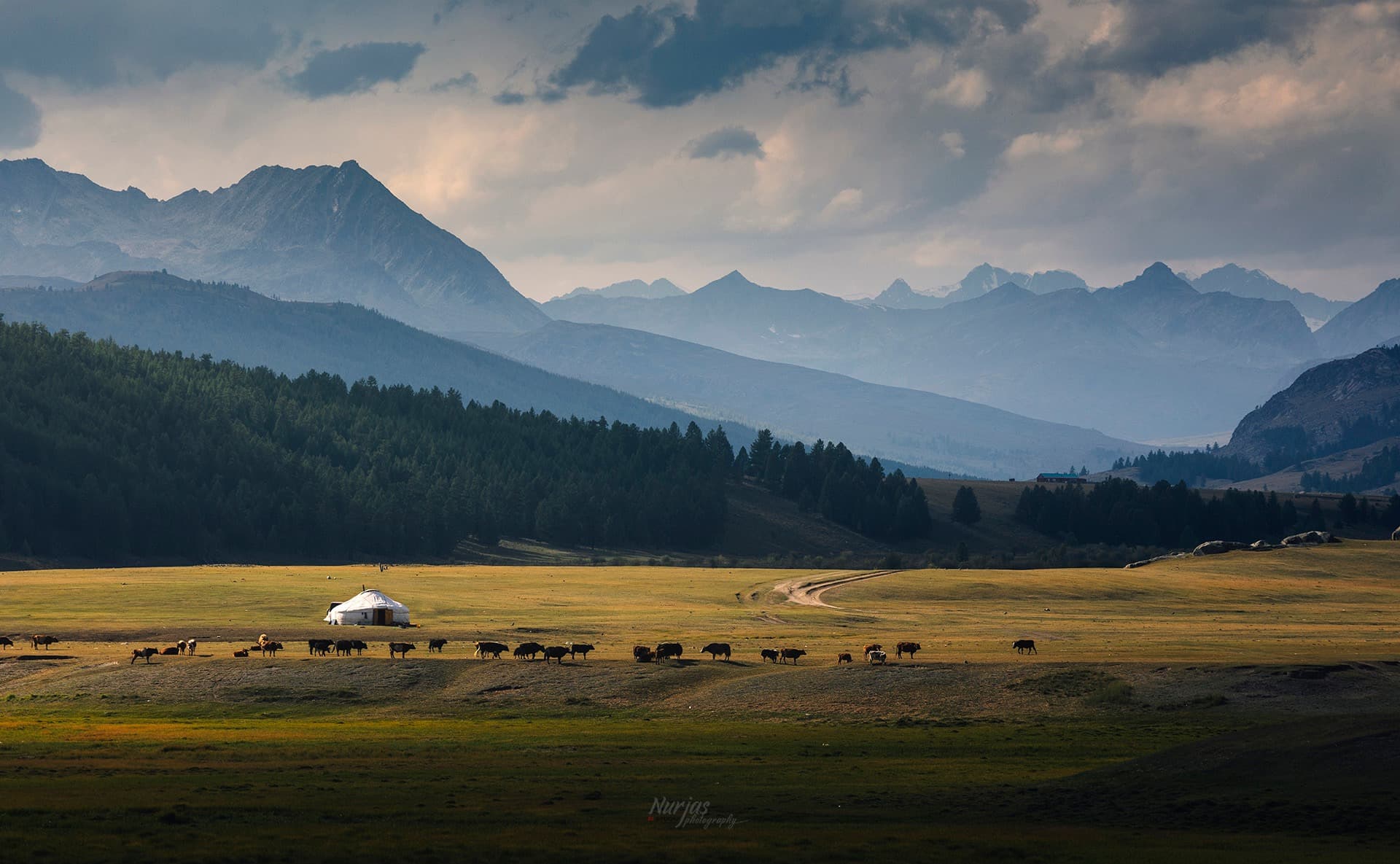
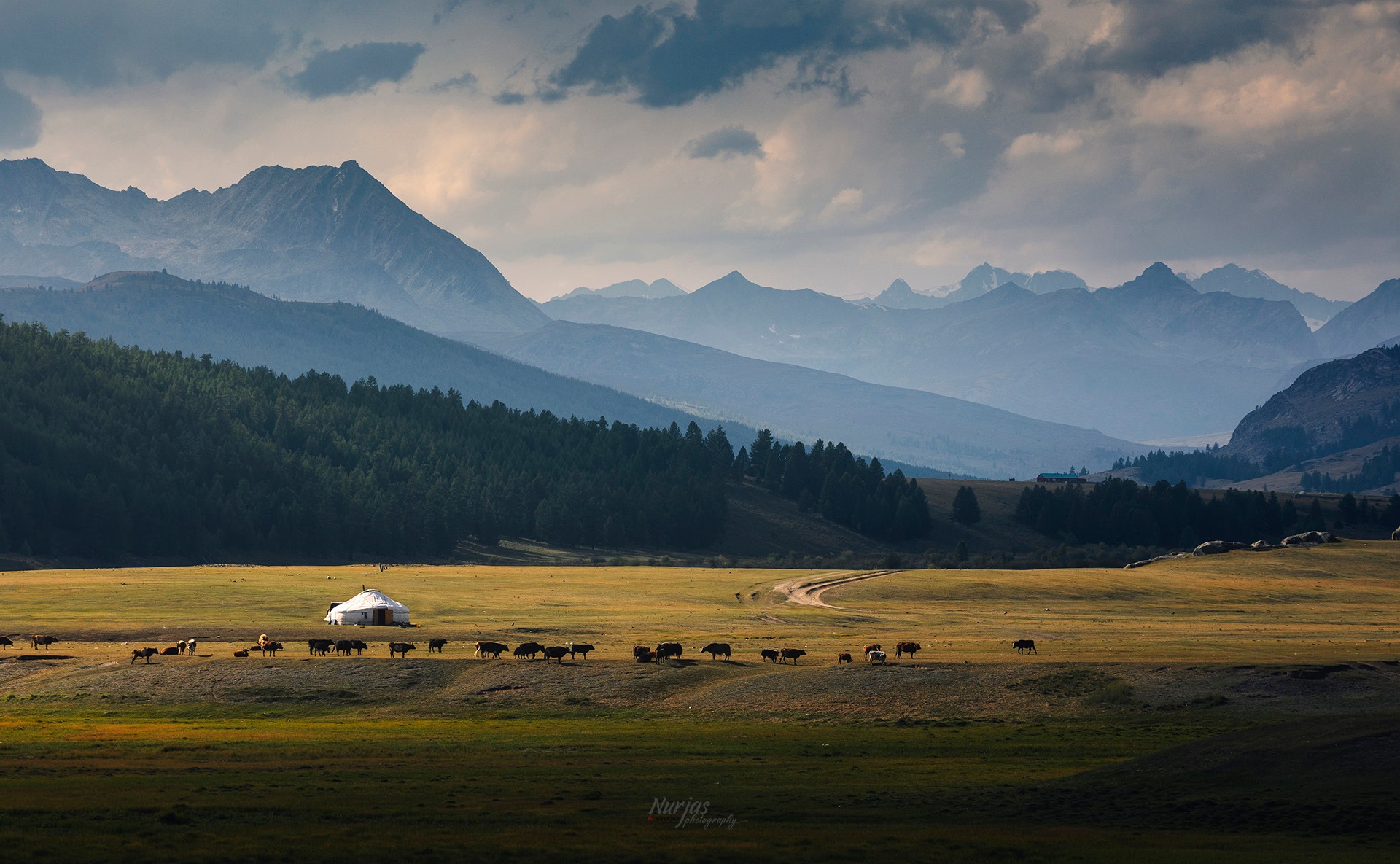
There are travel experiences and there are life experiences. Spending one or two nights with a Kazakh nomadic family in the Altai falls firmly into the second category. No amount of reading or research fully prepares you for the moment you duck through a low wooden door into a ger — a round felt tent — and find yourself surrounded by intricate hand-stitched wall hangings, a crackling stove at the centre, and a family who has probably never met a visitor from your country and is genuinely glad you are here.
This guide tells you exactly what to expect: the first moments, the food, the daily rhythm, what is expected of you as a guest, and how to make the experience as meaningful as possible for both you and the family.
Arriving at the Ger
When you arrive, the family will likely be outside waiting for you. Greet the oldest member first — age is respected deeply in Kazakh culture and it matters who you acknowledge first. Handshakes are the norm; receiving something with both hands, or with your right hand supported at the elbow by your left, signals respect.
Remove your shoes before entering the ger. Inside, move clockwise and sit on the left side (the women's side) or the right side (the men's side) as directed by your host. The back of the ger, directly opposite the door, is the place of honour — you will sit there when the family wants to show you respect.
Within minutes of sitting down, you will be handed a bowl of suutei tsai — milk tea. It is hot, slightly salty, and unlike any tea you have had before. Drink it. Even if you do not like it, accepting it is the single most important thing you can do to set the right tone for your stay. Refusing food or drink offered by a nomadic family is considered one of the most unwelcome things a guest can do.
Inside the Ger: Understanding the Space
A Kazakh ger is a marvel of engineering. The lattice-and-felt structure can be assembled or disassembled in a few hours, and the family does this two or three times a year as they move their herds between seasonal pastures. Yet inside, the ger is warm, surprisingly spacious, and decorated with a level of craft and colour that will astonish you.
The walls are lined with tuskiiz — large embroidered felt panels in geometric patterns. The floor is covered with layers of felt mats and woven rugs. Wooden chests painted in red and orange hold the family's valuables. The central stove — burning dried dung or wood — keeps the ger at a comfortable temperature even when outside temperatures drop below zero.
A single bare lightbulb, powered by a small solar panel on the roof, provides light at night. There is no running water, no flush toilet, no shower. The outhouse is behind the ger; a bowl of water is provided for hand washing. This is the reality of nomadic life, and embracing it rather than resisting it is half the experience.
A Typical Day With a Nomadic Family
Early Morning (6–8 am)
Nomadic life starts early. The first sounds you will hear are the animals — the low groaning of camels, the bells on the goats, occasionally the sharp bark of the herding dogs. The grandmother or mother of the family is usually the first up, relighting the stove, heating water, and starting the first pot of milk tea before the sun has fully risen.
Morning chores begin immediately after tea: milking the goats, yaks, or horses takes place before the animals are released to graze. If you want to try milking, ask. Most families find a guest attempting to milk a goat highly entertaining, and it breaks the ice beautifully.
Late Morning (8 am – noon)
Breakfast is typically bread with butter and cream, sometimes fried dough called boorsog, with more tea. After breakfast, the men and older boys often head out with the herd, sometimes on horseback, sometimes on motorbike. This is a good time to go with them if you are interested — riding alongside a herder as he checks on his flock against a backdrop of the Altai is an experience that does not translate well into photographs but stays with you for years.
At the ger, the women and younger children process milk — separating cream, making yogurt, pressing aaruul (hard dried cheese), or churning airag (fermented mare's milk, though this is more commonly a summer drink). You are welcome to help and your clumsy attempts will be warmly received.
Afternoon (noon – 6 pm)
Lunch is the main meal of the day — often a substantial mutton dish. The most traditional is tsuivan, hand-pulled noodles cooked with mutton and vegetables in a single pot. Khuushuur (deep-fried meat dumplings) may appear if there is something worth celebrating. Everything is made from scratch, in that ger, with ingredients the family has grown or raised themselves.
Afternoons are quieter. This is when longer conversations happen through your guide, when the father might show you his eagle or his horse, when the grandmother might demonstrate how she makes felt or embroiders a panel. Do not rush these moments. Some of the best connections between travellers and nomadic families happen in unhurried afternoon hours over cups of tea.
Evening (6 pm onward)
Dinner is lighter than lunch — leftovers from midday, bread, tea. As the light drops, the family gathers closer to the stove. If there is a dombra — the two-stringed Kazakh lute — someone may play. Traditional songs are sung at the end of the day, and if you know any song from your own country, you will be asked to perform it. This is not optional. Prepare something in advance.
Sleeping arrangements are simple: a wooden bed frame with a thick felt mattress and heavy blankets. You will sleep remarkably well. The silence in the Altai at night is total.
Food: What You Will Eat
Kazakh nomadic cuisine is built around two things: meat and dairy. If you are vegetarian, tell your tour operator in advance so the family can be informed. It is possible to accommodate dietary needs, but the family's default assumption is that guests eat everything.
- Suutei tsai: The milk tea you will drink at every meal — salty, warming, and an acquired taste that most visitors come to love.
- Boorsog: Fried dough, eaten with butter, jam, or cream. Often the first thing offered to guests.
- Tsuivan: The nomadic staple — hand-pulled noodles with mutton, fried and then steamed. Deeply satisfying.
- Khuushuur: Flat fried dumplings filled with minced meat and onion. Similar to a pastie and universally loved by visitors.
- Aaruul: Hard dried cheese, white or yellowish, often shared as a snack. Very strong in flavour. Chew slowly.
- Qymyz / Airag: Fermented mare's milk — mildly alcoholic, slightly fizzy, and very much an acquired taste. Summer drink mainly, but you may be offered it.
Cultural Etiquette: What to Know Before You Go
Kazakh hospitality is genuine and unconditional, but there are customs that, if you observe them, will deepen the connection between you and the family enormously.
- Accept everything offered to you — tea, food, a seat, a gift. Refusal is taken personally.
- Never step on the threshold of the ger door. Step over it. This is taken seriously.
- Never lean on the support poles of the ger structure.
- Don't whistle inside the ger — it is considered to invite bad spirits.
- Pass objects with your right hand, or with both hands, not just the left.
- Ask before photographing, especially the women. Men are generally happy to be photographed; women may prefer not to be, or may want a female guide to ask on your behalf.
- Show interest in the children — playing simple games with the kids will warm the whole family to you faster than anything else.
What to Bring as a Guest
Bringing a small gift is not obligatory, but it is one of the most appreciated things a guest can do. Bring something from your home country if possible — it becomes a talking point and something the family will remember. Good options include:
- Chocolates or hard sweets (especially for children)
- Coffee or specialty tea from your home country
- A scarf or simple item of clothing
- A printed photograph of your family or home — nomadic families are curious about where their guests come from
- Notebooks, pencils, or crayons for children
Avoid bringing alcohol unless you know the family drinks it — many Kazakh families are Muslim and do not.
Practical Preparations
A few things to organise before you arrive at the ger:
- Wet wipes and hand sanitiser — water for washing is limited, and you will appreciate these.
- Headlamp — the outhouse requires navigating in the dark.
- Warm sleeping layer — even in summer the nights in the Altai are cold. In September and October, bring a hat and warm socks to sleep in.
- Earplugs — not for the family, but for the roosters, dogs, and camels that will begin the day at 5 am.
- A positive attitude about basic sanitation — there is no shower for one or two nights. This is fine.
How a Nomadic Stay Is Arranged
Most nomadic family stays are arranged through a local tour operator who has an ongoing relationship with specific families. This matters. A family that has been doing homestays for years knows how to bridge the communication gap and create a comfortable experience for both sides. An ad-hoc arrangement, especially with no shared language, is far less likely to result in a meaningful exchange.
Altai Mount Travel has long-standing relationships with several Kazakh nomadic families across Bayan-Ölgii province. Our guide stays with you, acts as interpreter, and provides context for everything you observe. We pay the family directly and fairly, and a portion of every tour fee is returned to the hosting community.
A nomadic family stay is included in our Kazakh Nomad Stay tour, or can be combined with the Golden Eagle Festival tour for a complete Western Mongolia experience. If you are coming specifically for the festival, we strongly recommend adding a family stay — the contrast between the spectacle of the festival and the quiet of a night in a ger with a family is one of the defining experiences of Western Mongolia.
Email: altaimounttravel@gmail.com | WhatsApp: +976 8542 8887